
Connect Logistics Workflows From Customer Onboarding to Final Delivery
RTI helps logistics providers coordinate customers, warehouses, transportation systems, carriers, dispatch teams and drivers through measurable operational improvements.
RTI improves logistics, 3PL and last-mile operations by connecting shipment and delivery data, standardizing exception workflows, automating repetitive communication and providing reliable end-to-end visibility.
Where Logistics, 3PL and Last-Mile Teams Lose Time and Control
Common Areas for Focused Operations Sprints
- Customer onboarding workflows
- Shipment event normalization
- Delivery exception orchestration
- Proof-of-delivery processing
- Customer portals and reporting
- SLA and carrier performance automation
- Dispatch and assignment workflows
- Driver communication
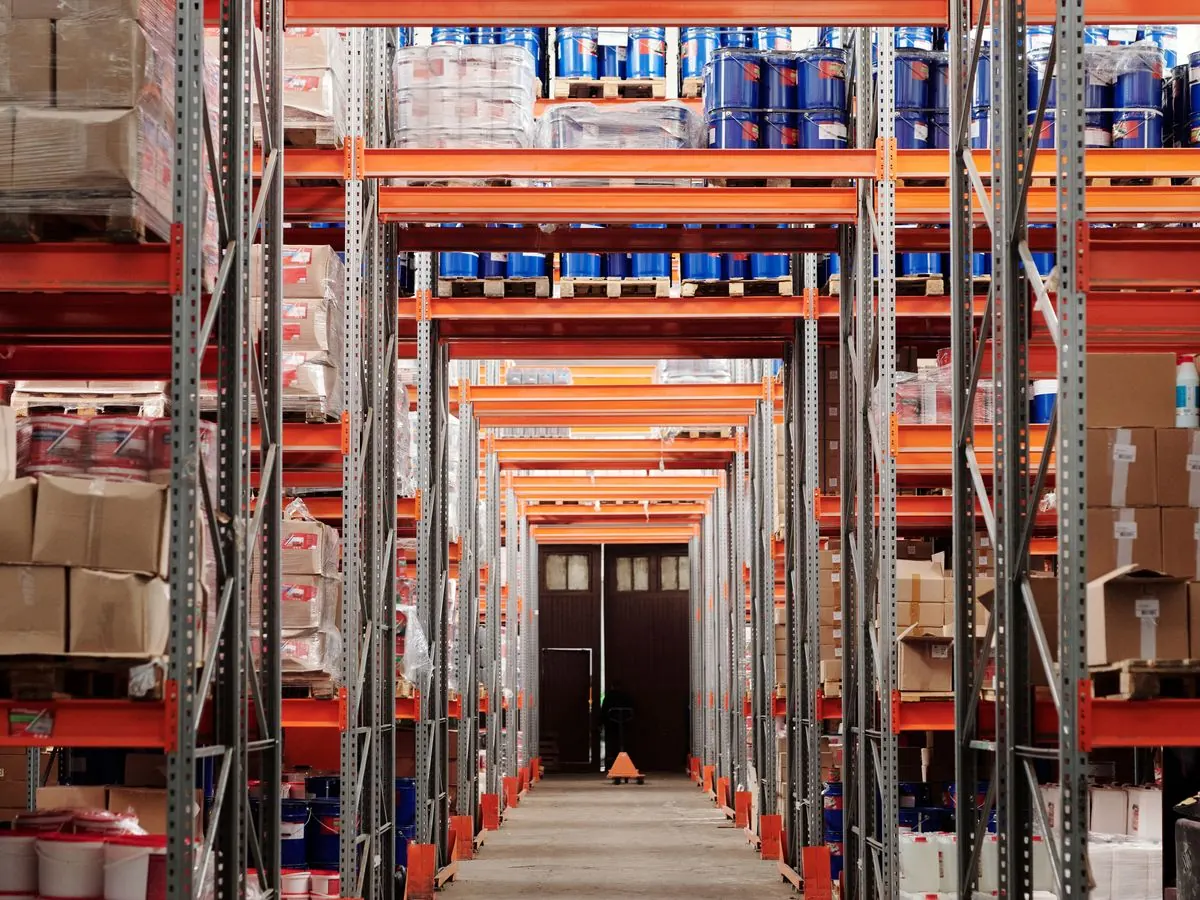
Work With the Operational Environment You Already Have
How RTI Supports Logistics, 3PL and Last-Mile

Operations Discovery
Explore solution →
Automation & AI
Explore solution →
Systems Integration
Explore solution →
Operational Intelligence
Explore solution →
Managed Operations
Explore solution →Measure the Operation Before and After the Change
Define the baseline, target, measurement method and owner before implementation begins.
- On-time delivery
- Exception age
- Proof-of-delivery cycle time
- Customer response time
- SLA compliance
- Billing cycle time
- Cost per shipment
- First-attempt delivery rate
Questions About Logistics, 3PL and Last-Mile Improvement
Can RTI work with multiple WMS and TMS platforms?
Yes. The integration layer can normalize data and workflows across customer, warehouse, transportation and carrier systems.
Can you reduce customer status calls?
Yes. The root cause is often poor shipment visibility. RTI can improve event capture, customer-facing status, proactive notifications and exception communication.
What does a 3PL Operations Sprint look like?
A sprint targets one measurable bottleneck such as proof-of-delivery, exception response, customer onboarding, shipment visibility or reporting and moves from design to production in roughly three to six weeks.
Can delivery be remote?
Yes. Remote embedding works well when teams and systems are digitally coordinated. On-site or hybrid discovery is recommended when warehouse or dispatch-floor practices are central to the problem.
Can RTI improve first-attempt delivery rates?
Potential improvements may include address validation, customer communication, ETA visibility, driver workflows and rapid exception resolution. Discovery determines which causes matter most.
Can you automate driver and customer messages?
Yes. Messages can be triggered by shipment events and business rules, with escalation when confirmation, judgment or exception handling is required.
Continue Through the Operations RTI Serves
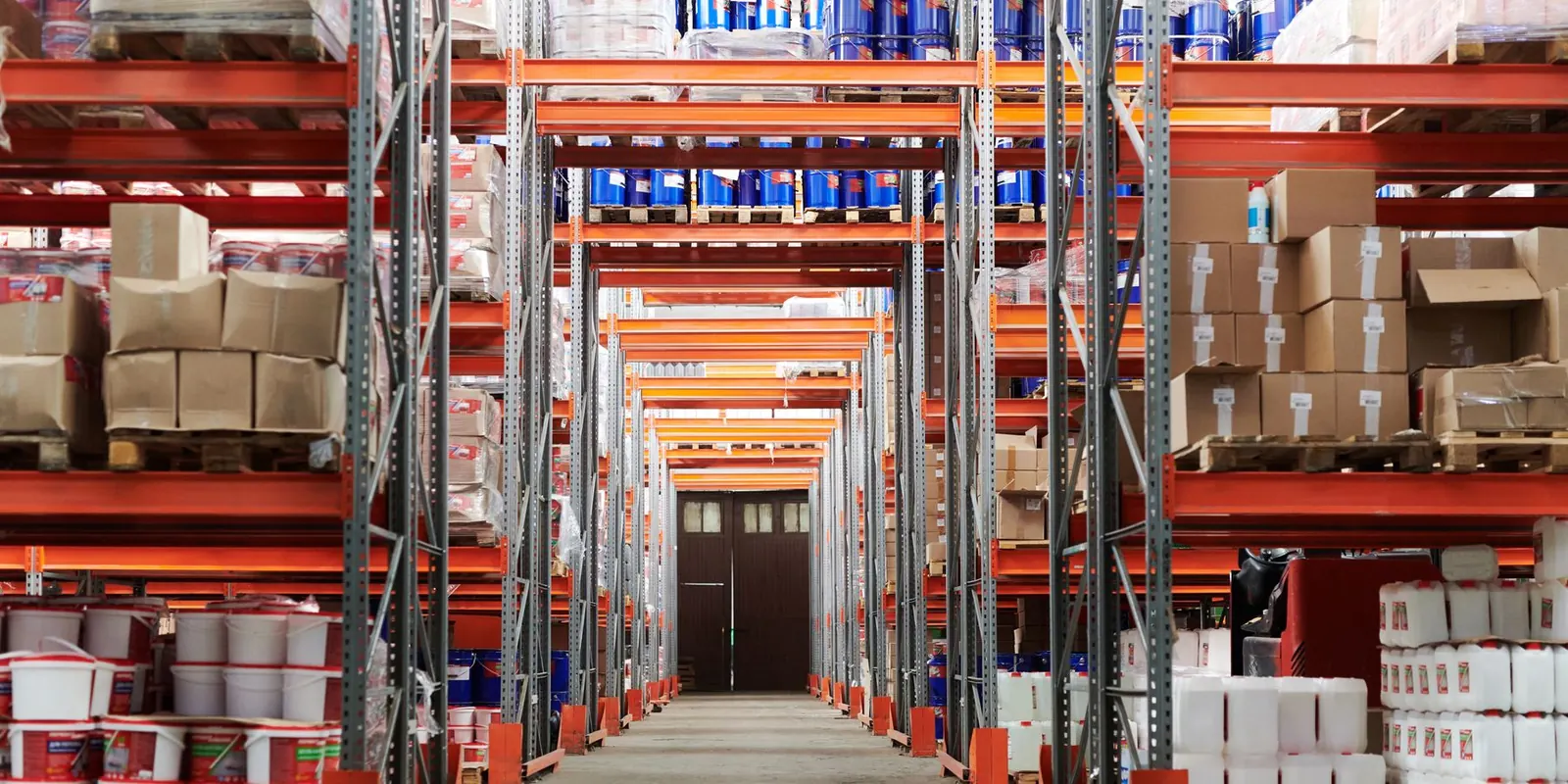

Discuss a Logistics, 3PL and Last-Mile Bottleneck
Start with one workflow that is slow, manual, error-prone or difficult to see. We will help identify the root cause and the most practical first improvement.