
What Needed to Change
The VIT needed to bring business data from point-of-sale, accounting, ERP and third-party systems into a consistent analytics environment. Each source exposed different fields, identifiers, formats and APIs, making unified reporting dependent on a reliable normalization layer.
How We Approached It
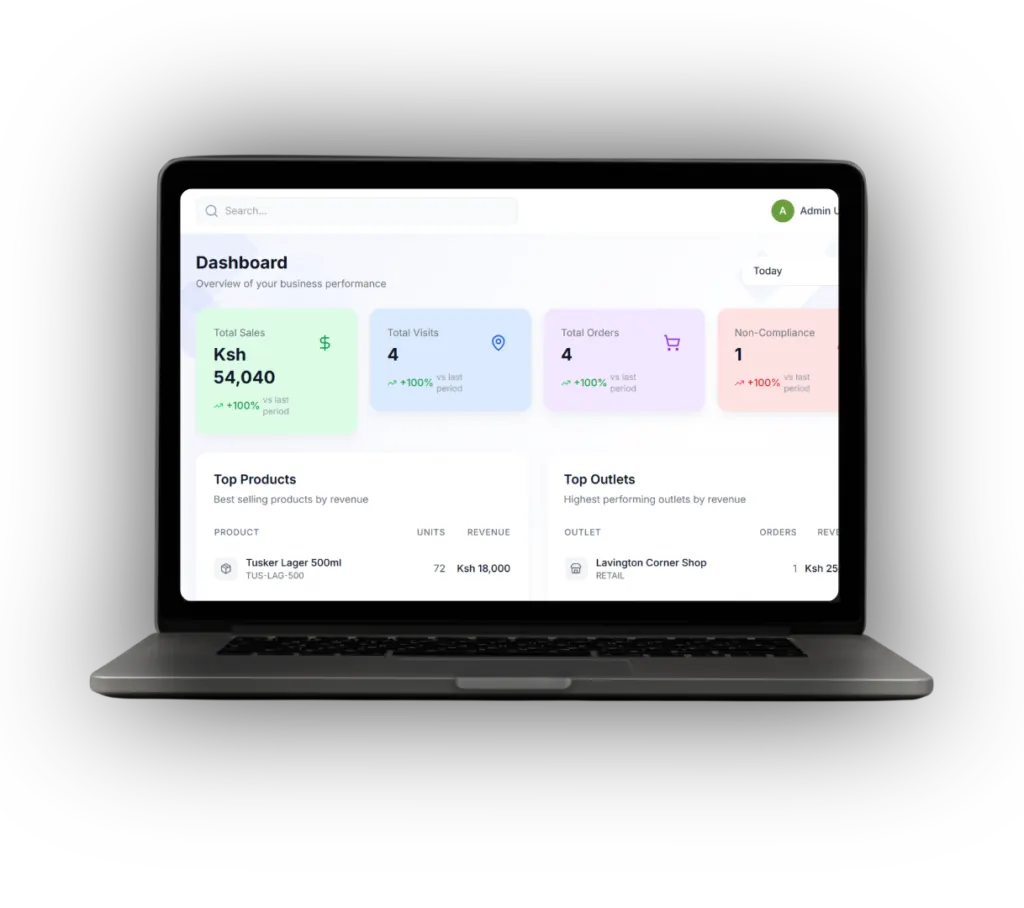
RTI developed a C#/.NET integration platform that sits between source systems and Power BI. It handles authentication, API communication, extraction, mapping, transformation, standardization, error handling and loading through a common integration model.
Putting the Approach Into Operation
The platform normalized product and customer identifiers, dates, currencies, tax values, statuses, branch names and transaction types before loading standardized data into Power BI. Its connector-based design established a reusable path for integrating additional systems.
- 01Systems integration
- 02API development
- 03Data normalization
- 04Analytics engineering
- 05Power BI integration
Documented Outcome
The VIT gained a centralized integration and reporting foundation with consistent business definitions across previously separate systems. The extensible architecture also reduced the need to design every future connection from scratch.